Loading Book...

Education • All ages
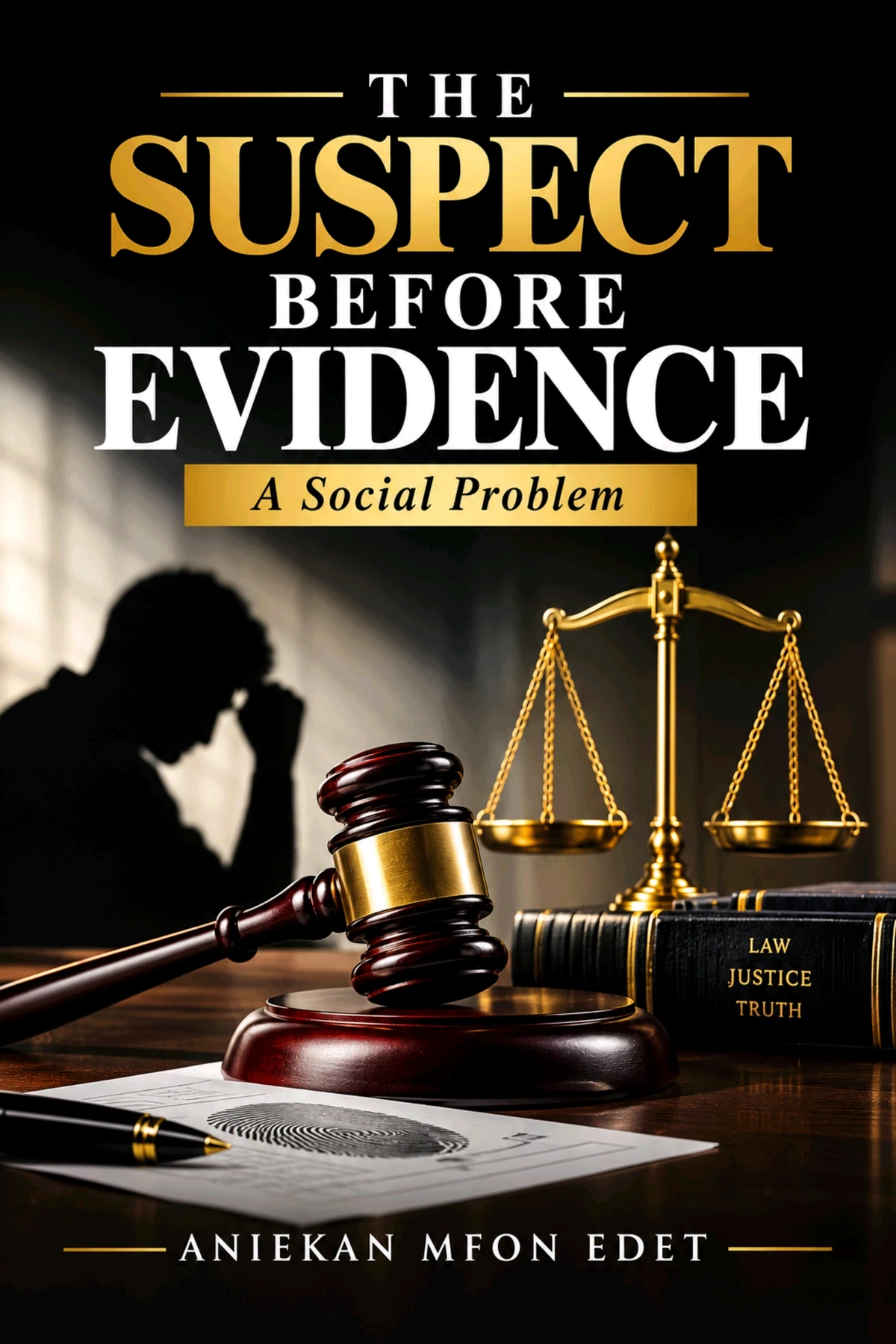
The Suspect Before Evidence
A Social Problem
₦10,254
Blurb
THE SUSPECT BEFORE EVIDENCE: A SOCIAL PROBLEM
What happens when suspicion becomes conviction before the truth is known?
A rumour spreads. An accusation is made. Fingers begin to point. Before the evidence is examined, someone has already been judged.
In a world where public opinion can turn suspicion into apparent truth, how many innocent people suffer because society reaches conclusions too quickly?
In The Suspect Before Evidence: A Social Problem, Aniekan Mfon Edet examines the dangerous consequences of premature judgment, unverified allegations, investigative bias, and the devastating damage that suspicion can inflict on human dignity and reputation.
Going beyond the obvious, this thought-provoking work introduces practical frameworks for understanding how people form judgments, why neutrality matters in investigations, and how allegations can be evaluated without allowing prejudice or public pressure to replace evidence.
Whether in families, workplaces, schools, communities, institutions, or the digital world, the consequences of judging before verifying can be profound and lasting.
This book challenges readers to reconsider what they believe, question what they hear, and examine what they accept as truth.
Before you condemn someone, ask yourself: Have you seen the evidence, or have you simply believed the accusation?
Because suspicion is not proof, an allegation is not a verdict, and justice begins when evidence comes before judgment.
What happens when suspicion becomes conviction before the truth is known?
A rumour spreads. An accusation is made. Fingers begin to point. Before the evidence is examined, someone has already been judged.
In a world where public opinion can turn suspicion into apparent truth, how many innocent people suffer because society reaches conclusions too quickly?
In The Suspect Before Evidence: A Social Problem, Aniekan Mfon Edet examines the dangerous consequences of premature judgment, unverified allegations, investigative bias, and the devastating damage that suspicion can inflict on human dignity and reputation.
Going beyond the obvious, this thought-provoking work introduces practical frameworks for understanding how people form judgments, why neutrality matters in investigations, and how allegations can be evaluated without allowing prejudice or public pressure to replace evidence.
Whether in families, workplaces, schools, communities, institutions, or the digital world, the consequences of judging before verifying can be profound and lasting.
This book challenges readers to reconsider what they believe, question what they hear, and examine what they accept as truth.
Before you condemn someone, ask yourself: Have you seen the evidence, or have you simply believed the accusation?
Because suspicion is not proof, an allegation is not a verdict, and justice begins when evidence comes before judgment.